

As temperatures rise like crazy and the sun beats down relentlessly, it’s crucial to take extra precautions to protect your precious greenspace. Don’t let the heat wilt your plants and dampen your gardening spirit. With our expert advice, you’ll learn how to keep your garden lush, vibrant, and resilient in the face of summer’s fiercest challenges.
Water More Often, But Strategically
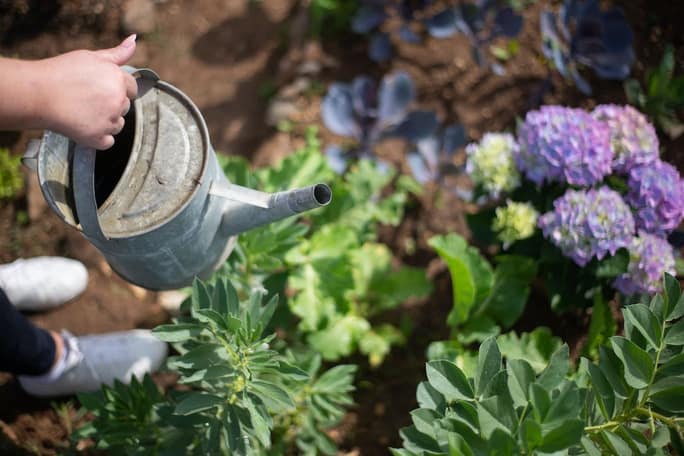
As the sun beats down and temperatures soar, watering your garden becomes a top priority. During summer, plants lose moisture more quickly due to increased evaporation. So yes, you do need to water more often, but it’s important to do so strategically. It means paying attention to the specific needs of each plant in your garden.
Moreover, timing is the golden key when it comes to watering. Watering during early morning or late evening allows for better absorption as cooler temperatures reduce evaporation rates. Avoid watering during the hottest part of the day, as most of it will simply evaporate before reaching the roots. Additionally, consider using drip irrigation or soaker hoses instead of overhead sprinklers.
Cut Down Fertilizer a Little Bit
Cutting down on fertilizer during the summer months can actually benefit your garden in more ways than one. While providing nutrients for your plants is important, excessive fertilization can lead to overgrowth and weaken their resilience against heat stress. By reducing the amount of fertilizer you use, you allow your plants to focus on developing a strong root system that will help them better withstand high temperatures.
Instead of relying solely on chemical fertilizers, consider using organic alternatives such as compost or manure. These natural sources not only enrich the soil with essential nutrients but also improve its water-holding capacity, which is crucial during hot weather when evaporation rates are high.
Add Some Extra Layers of Mulch
 When it comes to protecting your garden from the scorching summer heat, adding some extra layers of mulch can make a big difference. Mulch acts as a protective barrier that helps retain moisture in the soil and regulates temperature, keeping your plants cool and hydrated.
But go for organic options. Wood chips or straw work best for retaining moisture and providing insulation. Apply a generous layer around your plants, making sure to leave space around the stems to prevent rot. Mulching not only keeps soil temperatures stable but also suppresses weeds that compete with your plants for water and nutrients. This saves you both time and effort in maintaining a healthy garden during the sweltering months.
Consider Shade Cloth
Shade cloth is a versatile material that can help protect your plants from excessive sunlight and reduce water evaporation. Shade cloth comes in various densities, allowing you to choose the level of shading that suits your garden’s needs. You can use it to cover delicate vegetables or flowers prone to wilting in extreme heat.
Creating a shaded area gives your plants a chance to thrive even when temperatures soar. Not only does shade cloth shield against harmful UV rays and excess heat, but it also helps conserve moisture in the soil beneath. This means less watering for you.
As the summer heat intensifies, it’s crucial to take proactive steps to ensure the survival and success of your garden. By implementing these pro tips, you can help your plants thrive even in the hottest months. Remember: gardening requires adaptation and flexibility. Observe your plants closely throughout the season and make adjustments as needed based on their individual requirements.…

 On potted plants to create beauty and sparkle, though the glass should be used in small amounts. Many homeowners are using larger quantities of glass to create landscape designs on large surfaces e.g. gardens. The glass has been tumbled to eliminate sharp edges. Therefore, reducing the risk of harming someone thus being a perfect fit for gardening. With glass, you can create unique scenarios with imagination being the only limitation.
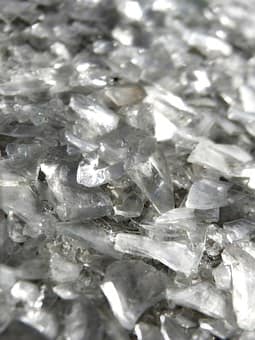 The initial cost of putting glass is expensive thus a limitation to most budgets. Nevertheless, the final outlook of glass is stunning. The cost implication notably puts the use of glass to small spaces.…