
Basement Design Ideas That Look Futuristic

Basements are no longer just storage spaces; they’ve become prime areas for bold, modern design that transforms a home’s atmosphere. From LED lighting to sleek modular layouts, futuristic basement ideas are gaining popularity among homeowners looking to elevate unused space. However, how much does a finished basement add to home value exactly? Answering that question will show that thoughtful upgrades can boost both visual appeal and long-term property value. By blending innovation with comfort, you can create a space that feels ahead of its time while still being functional for everyday living. This article explores cutting-edge basement design ideas that bring a futuristic flair to your home.

Experiment With Different Colors

Experimenting with color can also elevate the design. Cool blue or purple tones evoke a sleek sci-fi feel, while warm white lights keep everything comfortable and practical. Layering these different types of lighting gives your basement depth and visual interest without overwhelming the room. Thoughtful lighting transforms the area into a flexible environment suited for lounging, entertainment, or focused work.

Use Creative Lighting to Set the Mood

lighting

Lighting plays a major role in creating a futuristic atmosphere. Since basements often lack natural light, innovative lighting choices can completely reshape the space. Soft LED strips along walls, under stairs, or around ceiling edges can give the room a glowing effect that feels modern and calming. These lights create subtle highlights and help define different zones without cluttering the space. Pendant lights with smooth curves or sculptural shapes add a touch of elegance while keeping the look contemporary.

Embrace Clean Lines and Minimalist Layouts

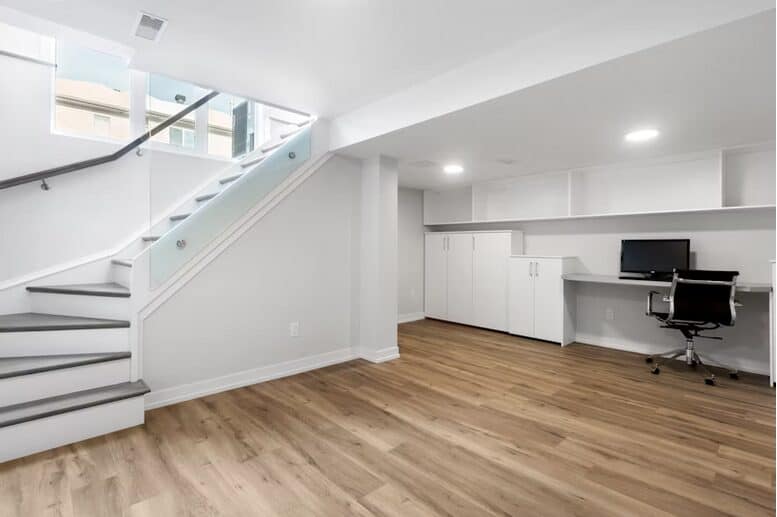
Futuristic design often emphasizes simplicity, balance, and clarity. Creating a layout that feels open rather than crowded makes a basement instantly more appealing. Built-in storage helps keep surfaces clean by hiding away clutter. Smooth cabinetry, floating shelves, and low-profile furniture create a sense of effortless order. This approach also maximizes floor space, making the basement feel larger than it is. Choosing neutral colors with subtle texture supports the overall theme. Soft gray, crisp white, or muted stone tones feel modern without being cold. These shades also make it easier to incorporate bold accents later, such as artwork or metallic décor. The goal is to create a foundation that looks polished and uncluttered, allowing every element to feel intentional and refined.

Incorporate Tech Features for Added Convenience
basement

Technology is a natural part of futuristic design. Integrating smart features can turn your basement into a space that feels both high-end and practical. Smart speakers, automated lighting systems, or temperature controls improve convenience and comfort while blending into the background. A wall-mounted screen or projector creates an entertainment hub perfect for movies, gaming, or family gatherings. If you enjoy fitness, consider adding a corner with smart workout equipment that adjusts resistance or tracks performance. For remote work or creative hobbies, tech-friendly desks and cable management systems keep everything organized. The idea is to create a space where technology enhances the experience without taking over the visual style.

Transforming a basement into a futuristic retreat is all about creative choices that blend style, function, and innovation. Thoughtful lighting, clean layouts, smart technology, and unique finishes work together to create an environment that feels far more special than a typical basement. By focusing on simplicity and atmosphere, you can design a space that feels fresh, modern, and enjoyable for years to come. Whether you turn it into a lounge, entertainment room, or work area, a futuristic basement adds value and excitement to your home.…

Signs Your Home Needs a Fresh Paint Job and When to Call a Contractor

Your home is more than just a place to live. It’s an expression of your personality and a refuge from the hustle and bustle outside. Keeping its exterior looking fresh and inviting not only enhances curb appeal but also protects your investment. A simple coat of paint can work wonders, revitalizing tired surfaces and making everything feel new again. But how do you know when it’s time to grab that brush or call in the pros? Let’s dive into some telltale signs that indicate your home might be due for a makeover, along with tips on choosing colors, whether to tackle it yourself or hire someone else and how to prepare for this transformative project.

The Importance of Maintaining Your Home’s Exterior

Maintaining your home’s exterior is crucial for several reasons. It protects structural integrity. A well-maintained surface can fend off moisture and prevent rot or mold from taking hold. A fresh coat of paint acts as a barrier against the elements. Sun, rain, and wind can wear down surfaces over time. Regular upkeep ensures that your home withstands these natural forces. Curb appeal matters too. An attractive exterior invites admiration and enhances neighborhood aesthetics. It also increases property value if you ever decide to sell.

Signs That Your Home Needs a Fresh Paint Job

Peeling or cracking paint is one of the first signs that your home needs attention. It not only looks unappealing but can also lead to further damage if moisture seeps in. Fading colors are another indicator. If your once vibrant hue has dulled significantly, it’s time for a refresh. Sun exposure can wreak havoc on exterior paint, making it look tired and worn. Look for mold or mildew as well. These unsightly patches signal potential moisture problems and necessitate immediate action before they spread. Chalking is another red flag; a powdery residue left behind when you rub the painted surface indicates deterioration. This means your paint isn’t protecting your home like it should.

Factors to Consider When Choosing Paint Colors

Choosing the right paint color can transform your space. Start by considering the mood you want to create. Light colors often evoke a sense of calm, while bold shades can energize and inspire creativity. Next, think about natural light in each room. A north-facing room may benefit from warmer tones to balance out cooler shadows, whereas south-facing spaces might be perfect for cooler hues that reflect sunlight beautifully. Don’t forget about existing furnishings and decor. Your new color should complement or contrast harmoniously with what you already have. Swatches are essential here; test them on walls to see how they look at different times of day.

DIY vs Hiring a Contractor: Pros and Cons

Taking on a painting project yourself can be rewarding. You control every detail, from color selection to application techniques. Plus, it often saves money since you’re only paying for materials. However, DIY also comes with challenges. It requires time and effort, not to mention skill. If you’re not experienced, your work might fall short of professional standards. Mistakes could lead to costly rework. On the other hand, hiring a contractor brings expertise and efficiency. They understand different surfaces and paint types better than most homeowners do. Their experience means a faster turnaround without compromising quality.

How to Find a Reliable Painting Contractor

Finding a reliable painting contractor can feel daunting, but it doesn’t have to be. Start by asking friends and family for recommendations. Personal experiences often lead you to trustworthy professionals. Next, check online reviews. Websites like Yelp or Angie’s List provide insight into contractors’ reputations. Pay attention to both positive feedback and complaints. Once you have a shortlist, request quotes from each contractor. This allows you to compare prices and services offered. Be cautious of bids that seem too low; they might cut corners on quality. Don’t forget to verify their credentials. Ensure they are licensed, insured, and bonded for your protection.

In Conclusion

Maintaining your home’s exterior is crucial for both aesthetics and protection. A fresh coat of paint can significantly enhance curb appeal while safeguarding against weather damage. Recognizing the signs that your home needs a repaint is essential to prevent more severe issues down the line. When considering paint colors, think about how they complement your neighborhood’s style and blend with existing features. Choosing wisely can elevate not only your home but also enhance surrounding properties.…

Pro Tips to Help Your Garden Survive and Beat the Summer Heat

summer

As temperatures rise like crazy and the sun beats down relentlessly, it’s crucial to take extra precautions to protect your precious greenspace. Don’t let the heat wilt your plants and dampen your gardening spirit. With our expert advice, you’ll learn how to keep your garden lush, vibrant, and resilient in the face of summer’s fiercest challenges.

Water More Often, But Strategically

water

As the sun beats down and temperatures soar, watering your garden becomes a top priority. During summer, plants lose moisture more quickly due to increased evaporation. So yes, you do need to water more often, but it’s important to do so strategically. It means paying attention to the specific needs of each plant in your garden.

Moreover, timing is the golden key when it comes to watering. Watering during early morning or late evening allows for better absorption as cooler temperatures reduce evaporation rates. Avoid watering during the hottest part of the day, as most of it will simply evaporate before reaching the roots. Additionally, consider using drip irrigation or soaker hoses instead of overhead sprinklers.

Cut Down Fertilizer a Little Bit

Cutting down on fertilizer during the summer months can actually benefit your garden in more ways than one. While providing nutrients for your plants is important, excessive fertilization can lead to overgrowth and weaken their resilience against heat stress. By reducing the amount of fertilizer you use, you allow your plants to focus on developing a strong root system that will help them better withstand high temperatures.

Instead of relying solely on chemical fertilizers, consider using organic alternatives such as compost or manure. These natural sources not only enrich the soil with essential nutrients but also improve its water-holding capacity, which is crucial during hot weather when evaporation rates are high.

Add Some Extra Layers of Mulch

mulchWhen it comes to protecting your garden from the scorching summer heat, adding some extra layers of mulch can make a big difference. Mulch acts as a protective barrier that helps retain moisture in the soil and regulates temperature, keeping your plants cool and hydrated.

But go for organic options. Wood chips or straw work best for retaining moisture and providing insulation. Apply a generous layer around your plants, making sure to leave space around the stems to prevent rot. Mulching not only keeps soil temperatures stable but also suppresses weeds that compete with your plants for water and nutrients. This saves you both time and effort in maintaining a healthy garden during the sweltering months.

Consider Shade Cloth

Shade cloth is a versatile material that can help protect your plants from excessive sunlight and reduce water evaporation. Shade cloth comes in various densities, allowing you to choose the level of shading that suits your garden’s needs. You can use it to cover delicate vegetables or flowers prone to wilting in extreme heat.

Creating a shaded area gives your plants a chance to thrive even when temperatures soar. Not only does shade cloth shield against harmful UV rays and excess heat, but it also helps conserve moisture in the soil beneath. This means less watering for you.

As the summer heat intensifies, it’s crucial to take proactive steps to ensure the survival and success of your garden. By implementing these pro tips, you can help your plants thrive even in the hottest months. Remember: gardening requires adaptation and flexibility. Observe your plants closely throughout the season and make adjustments as needed based on their individual requirements.…

Why Condo Living Is a Better Option

a tall building

People should know that there are other options of residence other than investing their money in a concrete house. Although it has been a standard option for the majority of people, they should never forget the fact that condo and apartment living is gaining even more popularity for the past decade. For that reason, it is not surprising to see units being advertised, hoping to attract more buyers and investors. Sites seem to compete with each other to present their best apartment and condominium units. The increasing numbers of buyers prove that the marketing method used is effective.

Compares to a concrete house, condo living proves to have many benefits. It is also the reason why many people are in love with the new trend of purchasing a condo unit. Unfortunately, today’s massive flow of information is not enough to convince other people to give it a try. Thus, this article aims to give people information about what they will get from this option. If you find yourself in a situation where you cannot make up your mind, you need to read this article to find more information you need.

Cheaper Maintenance

a furnished living roomA concrete house often requires the residents to spend hundreds of dollars on maintenance projects. Cleaning to re-construction, they need to dig deep into their wallet whenever problems appear. Things are different if you prefer to live in a condo. A condominium typically has a property manager who serves to make sure that the residents live comfortably in the building. The manager’s range of work includes executing maintenance service, taking care of the property, and ensuring all public facilities are functioning well.


Other than the above explanation, living in a condo means that residents will not spend money just for garden maintenance and roof repairs. As the building does not have such features, they can keep the money and allocate it for other expenses.

Security

Another reason why condo living is now becoming the latest trend is that it offers tighter and better protection for those who live in the building. Most buildings are equipped with gates and fences with limited access for outsiders, making it difficult for intruders. The presence of surveillance cameras is also the reason why condominium has low crime rates. In addition to that, security guards also provide round-the-clock service to make sure everything is under control. Although concrete houses also have similar mechanisms, it is not as strong as the system installed in the condominium.…

Making Your Home Quieter

Making Your Home Quieter

A home should be a sanctuary, a haven from the fast paced world that never stops rushing and never keeps quiet. In this case, no doubt when you get home the last thing you want to hear is the outside world in your home. Making your home quieter is then priority.

How to ensure you have a quieter home

Insulate your floorMaking Your Home Quieter

When living in an apartment with noisy neighbors, covering your floor with carpeting is a good way to minimize outside noises. If the place is rented, ask your landlord for permission to carpet it. If that is not an option, get yourself a large thick rug to fill out the rooms. On the other hand, if you have your apartment insulate the floor using baseboards. They not only keep out the noise out but make the space warmer. You should consider hiring a professional for this.

Re-arrange furniture

It has been proven that some noises in the home solely happen because furniture placements amplify noises. In this case, move stuff around and place a thick bookcase, adjacent to a noisy neighbors wall to reduce the noise. Besides, do not put light furniture touching the wall, as it often makes the most noise when its banged from the outside. On the other hand always choose the bedroom furthest from the main door, to assure peaceful, quiet nights.

Keep appliances in good shape

Replacing/ restoring old kitchen appliances is a great way to have a quieter home. With the vibrations, buzzes and rattles virtually non-existent, the noises from within a home also become non-existent

Fix floor squeaks

Over time floors usually start to squeak and although they are not noticeable during the day, it is very annoying and loud at night. There are some DIY ways on the internet to help fix this problem.

Seal gaps around windows and doors

Gaps in windows and doors have a way of making sounds sip in and make your home sound like a street. In this case use window insulating foam for windows and door insulating foam for doors. You will be guaranteed that no noise will come in afterward, without harming either your doors or windows.

Layer your windows with curtains

Layering with curtaMaking Your Home Quieterins is also an excellent way to achieve a quieter home. With window panels just managing to beauty the home, curtains muffles sound that pass through the window, especially at night.


Silence is necessary for your home as you may be carrying office work at home and need concentration. Employ these ways to achieve quieter home.…

Preparing Your Home For Winter

Preparing Your Home For Winter

When winter draws near, most people get worried on how to keep their homes during this period. It can be difficult to maintain your home in good shape during winter if care is not taken

Ways to prepare your home for winter

GutteringPreparing Your Home For Winter

During summer, the leaves will begin falling, and gutters and drainpipes get filled with free foliage. Once they are completely blocked, water will start to move down in your guttering and break into the rooftop and down your house walls. Ensure your gutters are totally grime and soil free to minimize water blockage.

Insulation

About a fourth of the warmth in your home is lost via the rooftop. Therefore having great space and divider cavity insulation can help keep your house warm and use less energy. These improvements need not cost the earth, as government grants and plans can finance insulation installation.

Home insurance

Ensure the insurance for your home is updated to cover for damages that may arise during winter. It will help to sort out water damages or settling your flawed rooftop. This way you will be happy that your cover is right for any damages.

Tree trimming

You know who’s to blame for your guttering getting obstructed with clears out? It’s those trees, making a wreck of your home and escaping with it. Stand firm against them and make tracks in the opposite direction from the house. This will lessen the measure of foliage that will drop into the guttering, and will likewise decrease the development of snow on the tree that could bring about damage from broken branches.

Drain the radiators

If your have radiators colder at their tops than the base, it means they have caught air inside them that is preventing the warmth from circling correctly. It is a great opportunity to get a towel as well as your different key and drain that radiator. Bleeding the radiators discharges the air, permitting the radiator functioning efficiently.

Switching energy supply

In case your bills seem high regardless of these improvements, call the company supplying your energy and check whether you can put on a more suitable power duty. If it worsens, then look for another supplier who will offer a better discount. There is no disruption. However, your money will go to another company when paying your bills.

Keeping your pipes toasty

Blasted pipes are regular among winter because of quick solidifying and defrosting, conceivably creating huge Preparing Your Home For Winterdamage. An ideal approach to prevent this is by keeping your house pipes warm with their internal warmth, lagging. This will diminish the warmth lost and protect, preventing them from solidifying.

These tips can help you keep your home and family warm during this cold season. They will also contribute to maintaining your home in good shape.…